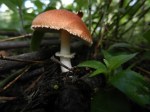
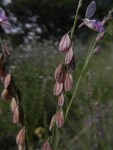
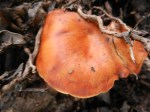
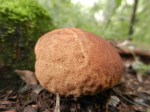
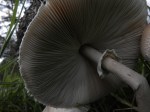
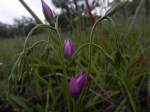
Lovely walk in the Moreletakloof Nature Reserve on 18th January 2014

Moreletakloof Uitstappie18 Januarie 2014, 06:00

Spesiale uitnodiging aan almal van die Gemeenskap om die Moreletakloof, asook werklike Natuurliefhebbers wat graag meer betrokke wil raak in hierdie reservaat se uitstappies, onderhoud en beveiliging. Kom stap saam met ons en sien waarom dit so belangrik is om die groen  areas in u omgewing te bewaar, en geniet die mooiheid van hierdie kloof.
Ons sal 06:00 van af die parkering by die hek (uit Heliosstraat) , begin stap, maar onthou asseblief iets te drinke en ete asook u kamera.

Ons vra u om asseblief n donasie van R30 per persoon te doen vir die verf van ons palisade wat dit dringend benodig. Na n byna drie uur stappie sal ons net vir n rukkie gesels oor wat ons beoopg vir die kloof, vir 2014.
Vir meer besonderhede kontak: info@moreletakloof.co.za (Jeannie du Plessis)

Lovely walk in the Moreletakloof Nature Reserve on 18th January 2014:

We would like to invite people from our community, Friends of Moreletakloof as well as people who would like to get involved in this reserve and specially those that love nature. Please come and see why it is so important to care for green areas in our communities, to protect and safeguard them.
Please join us for this walk, that will start at the parking area, near the gate from 06:00 for about three hours, that will end with a discussion about the plans for this reserve for 2014. You are welcome to bring something to eat and drink, on the way, but do not forget your camera. You will be surprised to see how beautiful this 100 hectare reserve is, and why we need to look after it. Please make a donation of R 30/person, that will be used to repaint and repair our 6 km palisade.

For more information contact Jeannie du Plessis at info@moreletakloof.co.za.

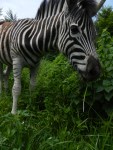
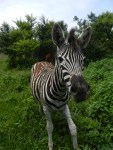
Brave little Zebra

We received messages on our Facebook group of a Zebra foal that was having problems walking. We asked nature conservation and vets in the area to help – and the response we got was amazing.

The zebra foal that was born on the 24th of  December. Once examined, the condition was identified as  ‘flexor tendon laxity’ – the tendons running down the back of both hindlimbs were ‘loose’ resulting in his rocking back on his heels and his fetlock nearly touching the ground.  The majority of these cases self correct as they gain strength, grow and become more mobile.

He is getting stronger every day.

Pictures below is from the wonderful veterinarian (Wilna van Schalkwyk Burke) and her family that is  helping the Zebra.  Updates are available on our pages, as well as her Facebook page (https://www.facebook.com/Sozo.rescue.and.rehabilitation.centre). 

A walk in nature

Vriende van Moreletakloof nooi u vriendelik uit om saam met Prof Braam van Wyk en Elsa te kom stap op die 6de Oktober. Hulle sal die  interessantste feite oor bome sowel as veldplante en die natuur oor die algemeen met ons deel. Prof Braam is een van die opstellers van ‘Veldgids tot Bome van Suider Afrika’.

Ons ontmoet in die parkering van Moreletakloof Natuur Reservaat – 07.30 vir 08:00. Die koste is R 40/persoon, wat  aangewend sal word vir onderhoud van ons reservaat. Die uitstappie sal eindig by die informasie hut waar ons nog kan gesels oor wat ons gesien het terwyl ons iets te koels drink. Die uitstappie sal tussen drie en vier ure duur. Onthou asseblief iets om  te drinke vir die stappie en u kamera.

Friends of Moreletakloof would like to invite you for a interesting walk in  the Moreletakloof Nature Reserve with Prof Braam van Wyk and Elsa on the 6th of October at 07:30 for 08:00. Prof Braam is  the co-writer of ‘Veld guide to Trees of Southern Africa’. He will supply us with the most interesting facts about trees, veld plants as well as facts about nature. I promise you that this will be the most enjoyable  walk.

The cost will be R40/person, which will be used for the upkeep of our reserve. We will end the walk at the formation hut where we will discuss what was seen while you have something cool to drink. Please remember  something to drink on the walk as well as your camera.

Crawling – A blog post by Simon Tickle

Contribution by a friend that visited the Moreleta Kloof Nature Reserve, and spent some time with a local, Jeannie:

“The ground is my friend. For someone who spends so much of his time in the air, the feeling of a secure surface comforts me as a mother’s hug soothes a child.

Since becoming an adult I have maintained a respectable distance between me and the ground as befits a grown-up conforming to public dignity, but a recent acquaintance has caused me to reconsider my attitude and revert to the horizontal.
 
Jeannie loves to crawl. She crawls through the grass and the undergrowth, seeing things that are missed or trampled underfoot by the vertical adherents. It’s a whole other world down here where the small things are. In the words of Sebastian the Crab (The Little Mermaid, Walt Disney) and as echoed by Jeannie, “Darlin’ it’s better, Down where it’s wetter, Take it from me!”

Rain Spiders

Although the Kloof is home to several large species of animal, it is also home to various types of smaller species, including numerous insect, spider and scorpion species. Not even mentioning the abundant bird life!

One of the more abundant spider species that call the Kloof home, are rain spiders – also known as huntsman spiders (Afr: jag spinnekop). They are fairly large spiders with very distinct colouration, especially on their underside. Rain spiders (as they are known in South Africa) take their name from the fact that they are most often found inside our homes before it starts to rain. Forget about the SABC weather report, these guys are hardly ever wrong!  

Rain spiders do not spin webs like most other spider species; they are instead active hunters that will pursue prey. The only time they spin “webs” are when building nests. A rain spider nest looks like this – I bet you have seen quite a few of these before and never knew who made it?

Now for all practical reasons, rain spiders are perfectly harmless to us humans. People tend to fear them mainly because of their big size (these guys do get to be very large indeed!) and the fact that they so often wander into our homes. They also put up quite a show when provoked, raising their front legs and exposing their fangs, often running towards and attempting to bite anything brought close to them. Unfortunately, this usually ends in the poor spider simply being killed – either suffering a prolonged death by being sprayed with insecticide not made for anything nearly as large as a rain spider, or by simply being squashed. It is so sad that people in this day and age still do not realise that the rain spider means them no harm and if left alone will most likely find its own way out again, to where it will not be disturbed by lights and people. The most ironic thing is probably killing one of nature’s best pest controllers with the very insecticide that was meant for the rain spider’s natural prey?

If you do happen to find a rain spider in your home, what do you do? Well, easy. Usually just leaving it alone works pretty well and the spider will make its own way out again. If having the spider inside your home bugs you, taking it out is very simple. A large container and a poking instrument of sorts is all you need. Simply place the container in front of the spider and then gently poke its backside with your poking instrument. Now I have to add, these spiders are pretty aggressive, so if you are afraid of spiders rather get someone else to do it! Also, if possible take them out during the day – as they are nocturnal hunters they are almost inactive during the day and it makes taking them out a breeze. At night they tend to run around a bit. Once the spider is in your container (with a lid on preferably), take it out to remote spot in the garden with plenty of plant growth for the spider to hide in and release it. Or even better yet, release it in the Kloof if that would make you feel safer!

Spotting them in the Kloof itself is pretty hard; they are very well camouflaged and usually stay hidden during the day. The easiest way to find them is when they are nesting; the female will always be close to the nest guarding it. Also be on the lookout for outgrown, discarded skins, if there are a few skins in a small area, chances are the spider will be somewhere close by.  

For more on rain spiders please see this Wikipedia article – http://en.wikipedia.org/wiki/Huntsman_spider

The photos in the gallery below were all taken in homes that are next to the Kloof, but these spiders can be found almost anywhere.

[nggallery id=8]
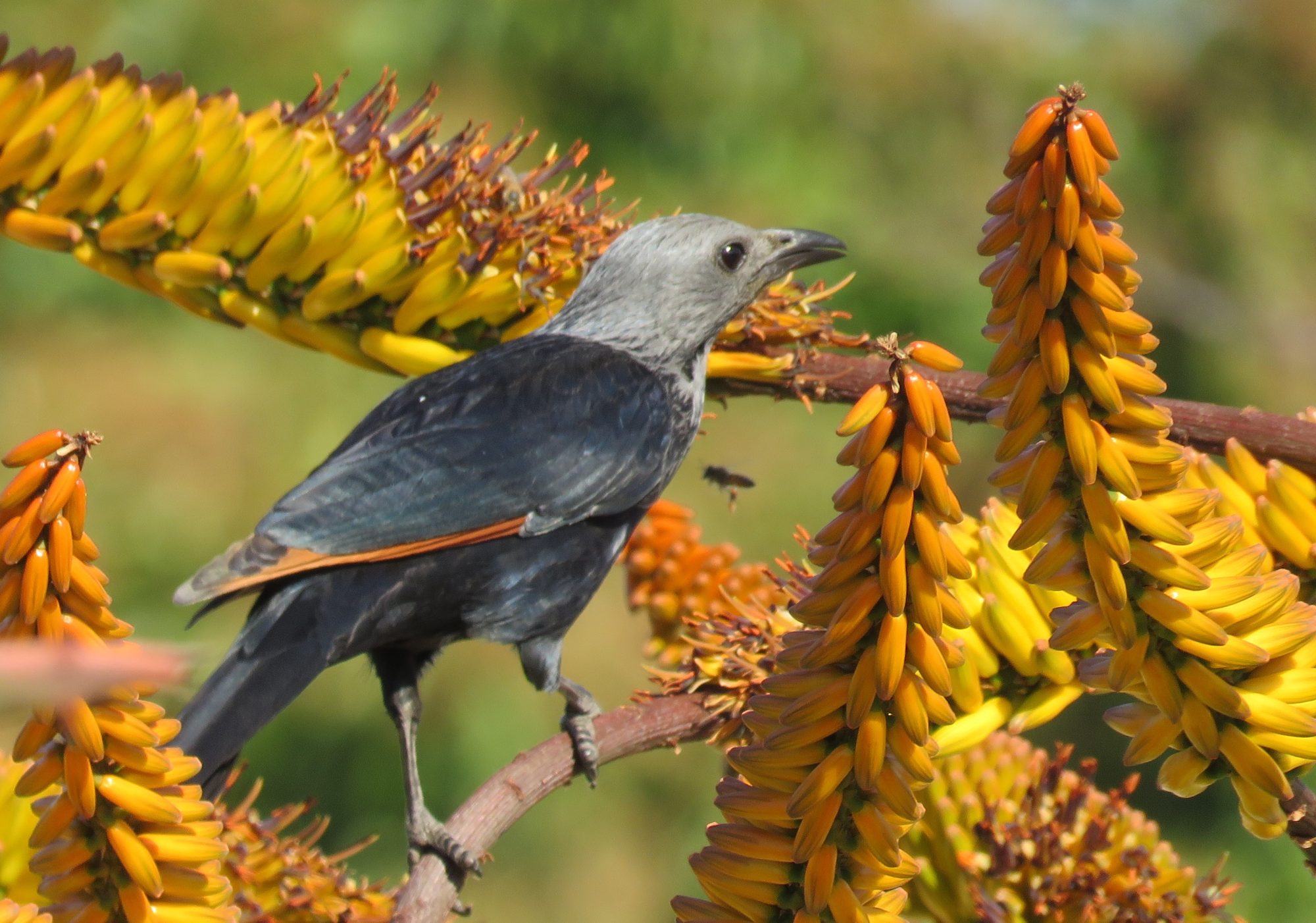
Some new arrivals

Some more new arrivals in the reserve, one baby Ostrich, lots of Blesbuck and some baby Springbuck;

[nggallery id=5]